
What the service can include
Inspecting the door system and repairing supported residential components such as tracks, rollers, hinges, cables, springs, panels, weather seals or the opener interface when appropriate.
A garage door that is noisy, uneven, stuck, difficult to move or no longer completing a normal open-and-close cycle. The Lock Doc begins with the exact hardware, access need, and authorization before recommending the work.
Garage-door springs and cables are under high tension. Stop operating a door with loose cables, damaged springs, severe misalignment or uncontrolled movement and do not attempt a do-it-yourself adjustment.
Inspecting the door system and repairing supported residential components such as tracks, rollers, hinges, cables, springs, panels, weather seals or the opener interface when appropriate.
The door size and construction, its balance and travel, visible damage, the affected component, opener behaviour, safe working access and parts compatibility.
Provide the address, photos of the full door and tracks, a description of what changed, the opener model when relevant and confirmation that vehicles and stored items can be moved clear.
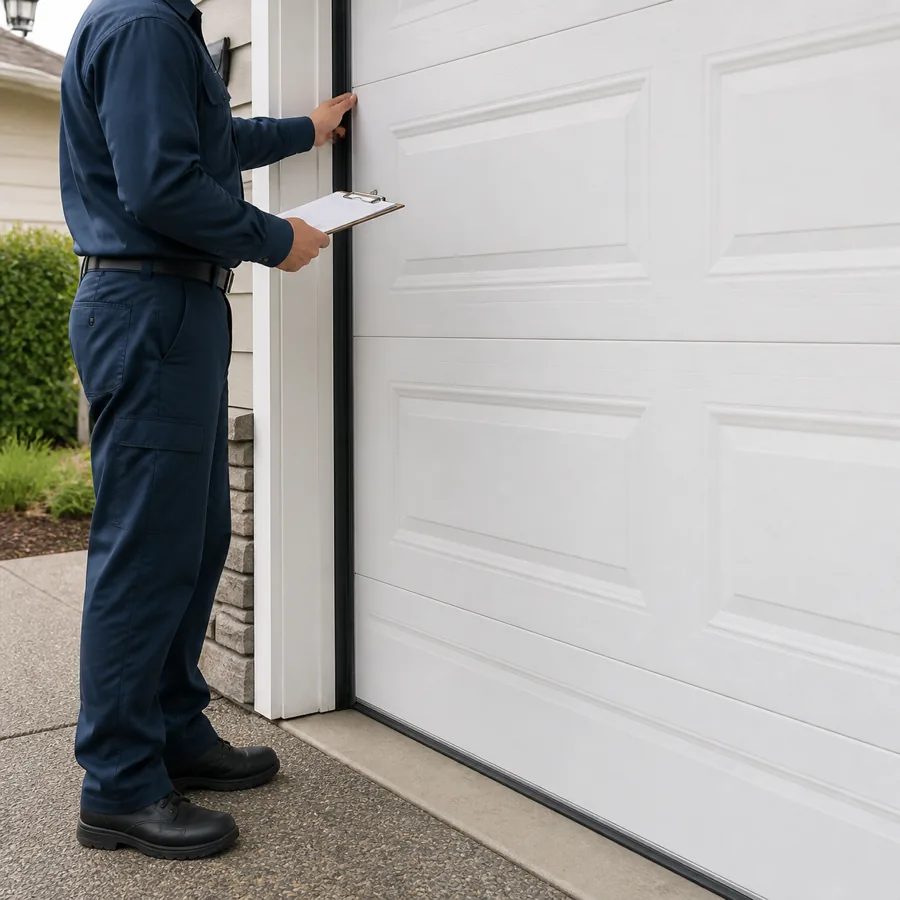
Garage-door springs and cables are under high tension. Stop operating a door with loose cables, damaged springs, severe misalignment or uncontrolled movement and do not attempt a do-it-yourself adjustment.
Share photos of the full door, tracks, visible hardware, and opener information when relevant before a visit is arranged.
The service path stays simple, even when the hardware is not.
See the complete family overview or start with the problem if you are not sure which service page fits.
Useful details to confirm before the work is scheduled.
Provide the address, photos of the full door and tracks, a description of what changed, the opener model when relevant and confirmation that vehicles and stored items can be moved clear. These details help define the request before a service window is confirmed.
Inspecting the door system and repairing supported residential components such as tracks, rollers, hinges, cables, springs, panels, weather seals or the opener interface when appropriate. The final scope follows the condition and compatibility found during the assessment.
The door size and construction, its balance and travel, visible damage, the affected component, opener behaviour, safe working access and parts compatibility. The recommendation should follow those facts rather than a preset product package.
Garage-door springs and cables are under high tension. Stop operating a door with loose cables, damaged springs, severe misalignment or uncontrolled movement and do not attempt a do-it-yourself adjustment.
Call now or send the service details online.